Exterior Features
The exterior of this simple building, in seeming contrast to the riches within, nonetheless warrants careful attention. There are a number of features of interest, while the layout of doors and windows reflects the shape of pre-Reformation ecclesiastical practices. The building lies in an east-west axis, a symbolic orientation of churches throughout Britain from early Christian times.
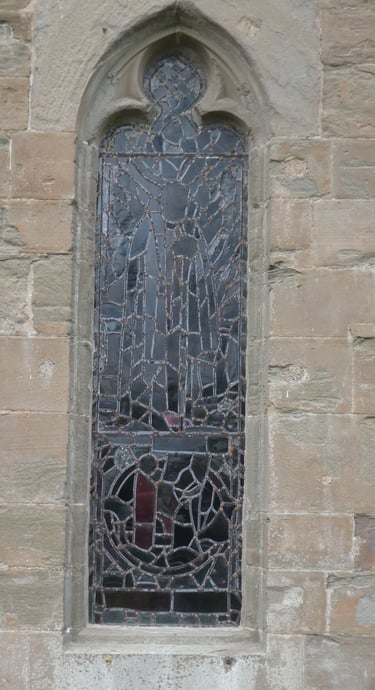
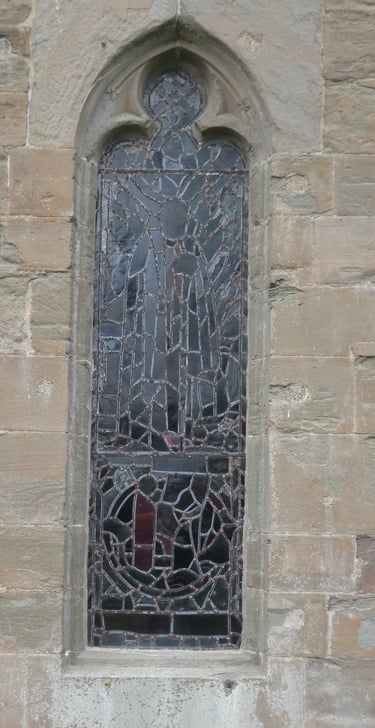
Features to look out for include: gothic tracery of the windows and their layout; the sculptured door canopy; mason's marks; coats of arms on the gables; and grooves where fashionable gentlemen blunted their swords before entering the sanctuary.
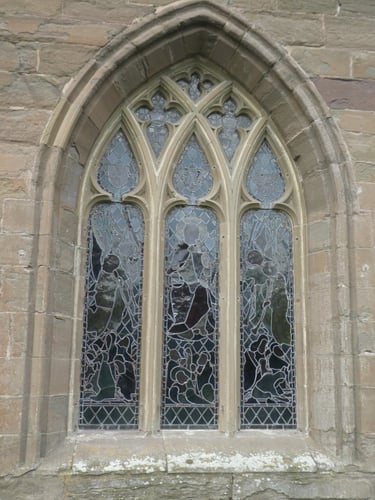
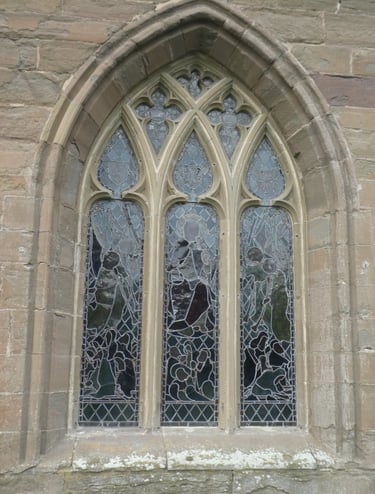
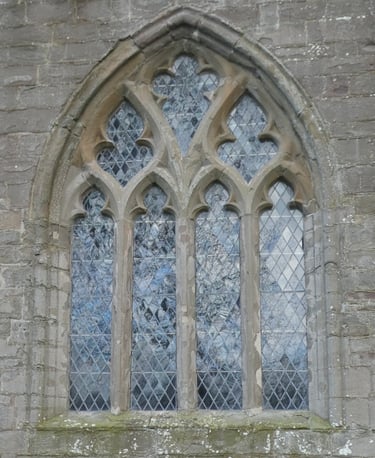
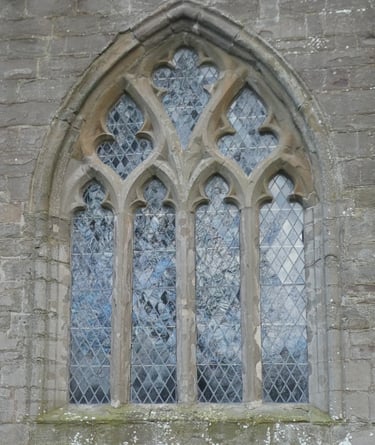
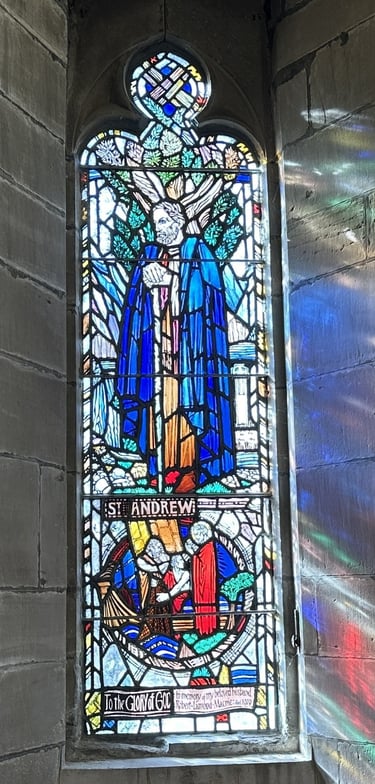
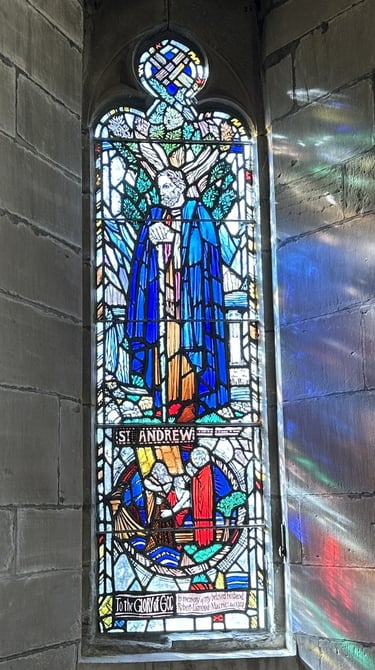
The great Gothic arched window in the west gable was designed to cast light into the nave, while its smaller equivalent near the south-east corner was so placed to illuminate the altar. The latter is a memorial window to the Grays. The round ‘ocular’ window in the east gable has been restored but retains the original form of its tracery. Its exact ‘twin’ can be seen in the tower of Melrose Abbey - not the only connection with this great Border landmark.
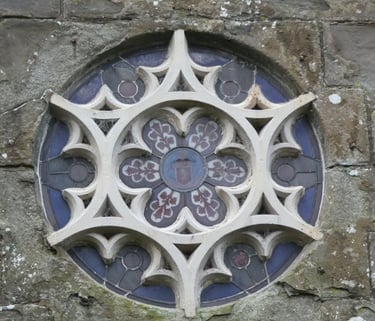
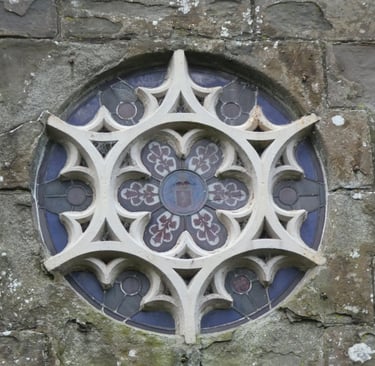
The remaining windows, though plain, also played a significant role. The solitary light on the north side and its south wall counterpart, together with the single ‘first floor’ window, were designed to illuminate the rood screen and loft and their embellishments of paintings and altars.
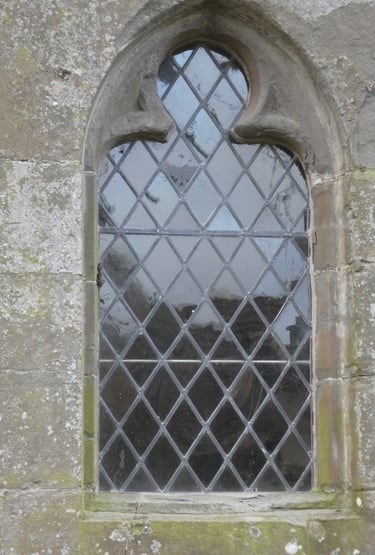
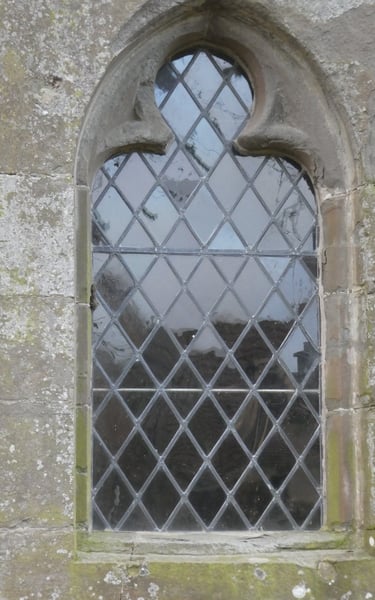
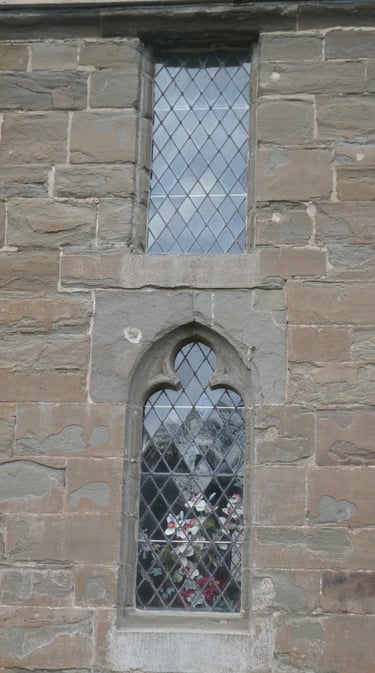
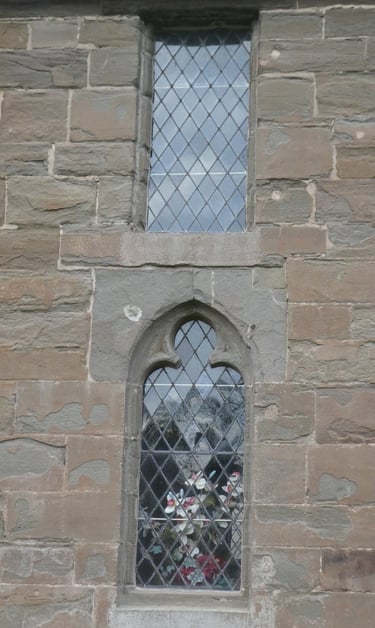
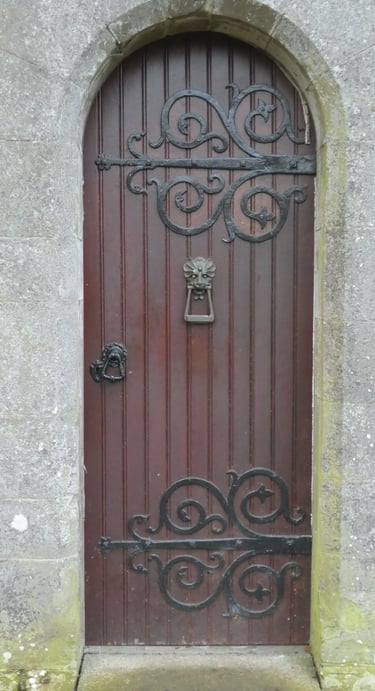
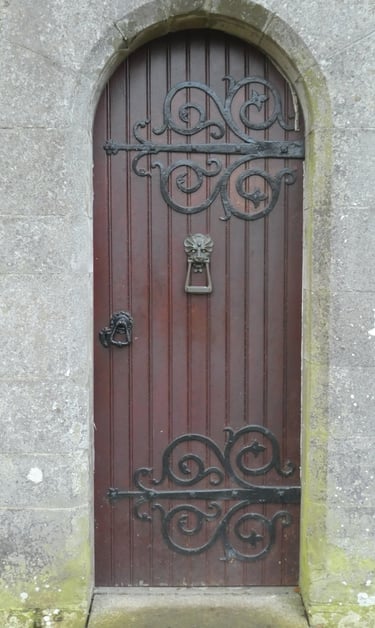
The modest north-facing door, with its 19th century sanctuary knocker, is thought have been the women’s entrance. It’s also been suggested that this may have provided a direct route into the church from the domestic quarters of the resident clergy if these lay to the north of the church (nothing now remains).
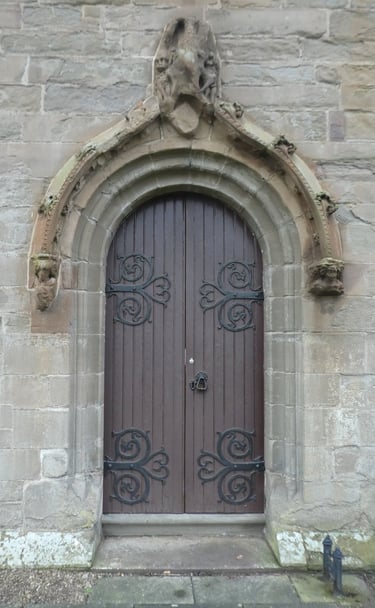
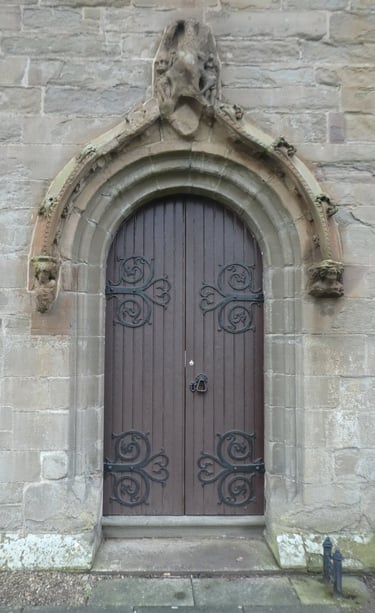
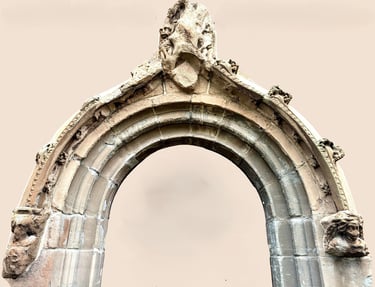
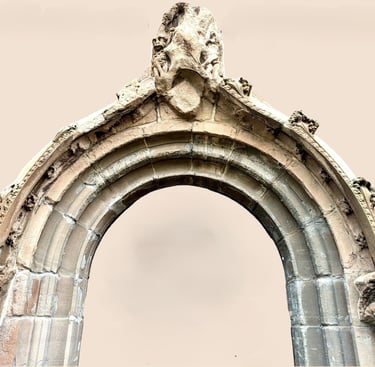
The south-east doorway was the priest’s entrance, leading directly into the chancel. The main (south-west) door has a beautifully carved, ogee-shaped canopy which is capped by an elaborate coat of arms. The diagonal shield, now eroded, presumably held the arms of Gray; above this is a helmet with lion supporters and a swan above, whose curving neck, folded wings and feathered breast can still be made out. The base of the arch is supported by angels, the right hand one wearing a pearl necklace, a symbol of purity. The arch itself is deeply and exquisitely carved with naturalistic foliage (known as ‘colewort’ from its resemblance to curly kale) and with a repeated, more geometric, floral design. In all this there is another strong echo of the great abbey at Melrose.
The cross that surmounts the finial on top of the east gable is a recent replica of a damaged 15th century original; the latter is kept in the Session House. Skull-like faces can be glimpsed on the finial.
Heraldry
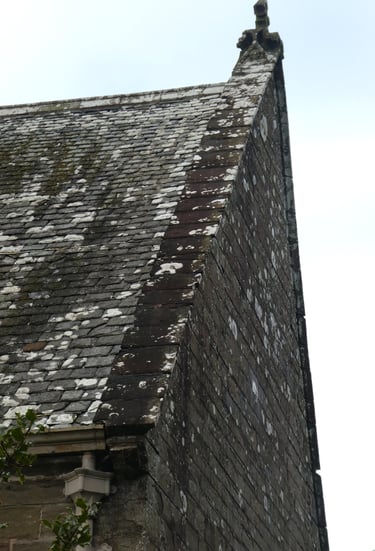
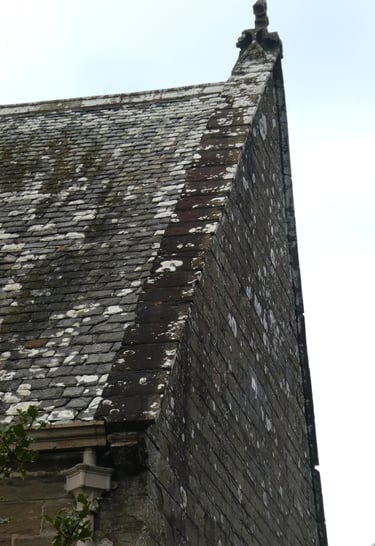
Coats of arms adorn the skewputts (top corner stones of the walls below the gable coping stones); they represent families connected with the church (Gray, Wemyss and Mortimer) while the arms of Scotland confirm Lord Gray’s allegiance to the crown and his position at court. See here for more detailed information on Fowlis heraldry.
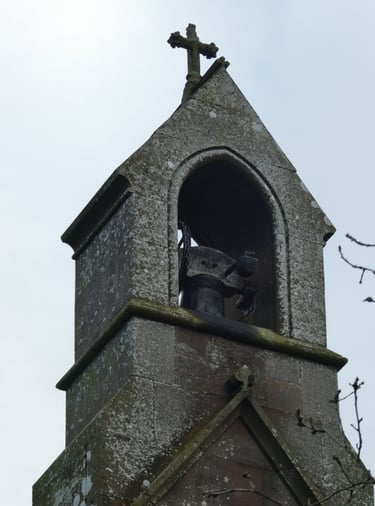
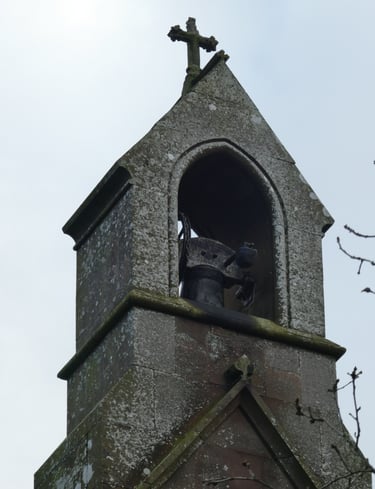
The bellcote on the west gable, on the other hand, is of 19th century design and had at least two earlier predecessors. In Billing’s print of the church from the 1840s (in the Session house) there is no bellcote. The bell itself dates from 1508 and is probably of Dutch manufacture. It bears a Latin inscription which exhorts Jesus and Mary to protect the listener.
Mason's Marks
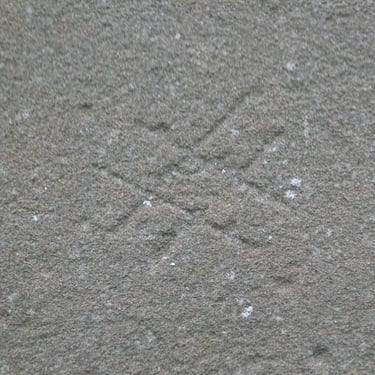
A striking feature of the exterior is the quantity of masons’ marks. These are individual cyphers by which stonemasons identified their work (and therefore claimed their pay). Best seen in a slanting light, they appear both on the dressed stone walls and on the door and window frames.
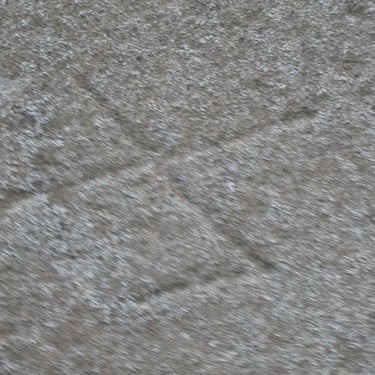
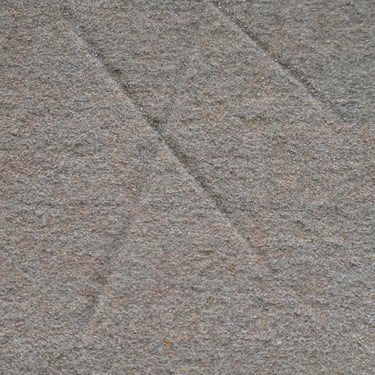
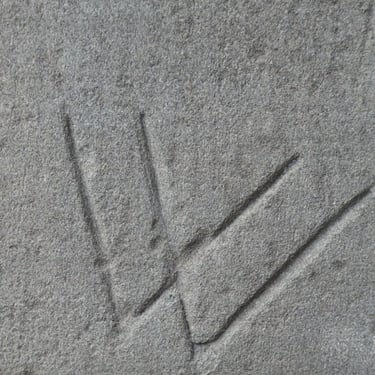
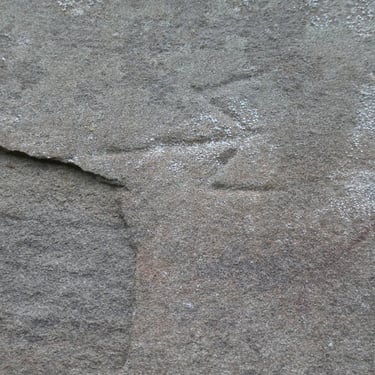
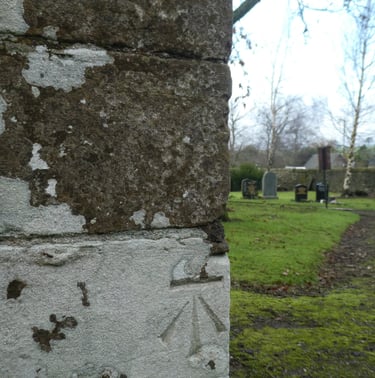
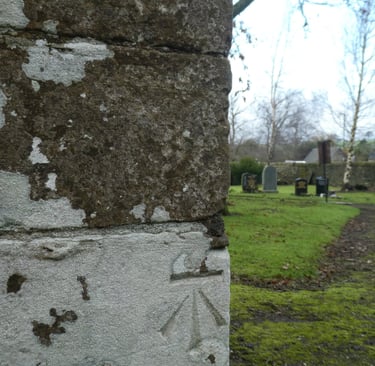
If you look closely at the NE corner, just above the ‘foundation stone’ from which the builders commenced the work of laying the courses, you may notice some nicks or slashes cut into the stonework (they also occur on the SW corner). This is thought to be where men of substance, accoutred with swords for fashion or defence, would symbolically blunt their blades before entering the sanctuary.
The arrow-shaped carving is a much later ‘bench-mark’, cut by the Ordnance Survey. It indicates the height above sea-level – 365ft in this case.
Contact
Get in touch for questions
stmarnocksfowlis@gmail.com
© 2025. All rights reserved.
Scottish Charity
Friends of St Marnock's
SC054653